

Full PortfolioBlog
Flowjam works with some of the most successful AI founders in the world after only launching in 2023.
Copyright 2026. Flowjam Ltd.
Copyright 2026. Flowjam Ltd.
Software Ads in 2026: The New Formula (the DTC Playbook Is Dead)
How to create software ads that convert in 2026: 6 SaaS ad examples, a 4-part creative framework, the Meta campaign structure for SaaS, and when to hire a software ads agency.

Last Updated: June 25, 2026 | Written by the Flowjam creative team — we produce launch and ad video creative for software companies, so this guide comes from making the ads, not just writing about them.
The software ads that worked in 2023 are dead in 2026. The DTC playbook, UGC testimonials, lifestyle imagery, vague benefit claims, now actively underperforms for SaaS. The creator-to-camera testimonial that prints money for skincare falls flat the moment a B2B buyer sees it. What replaced it is colder and more effective: demo-driven proof, ruthless use-case specificity, and free-trial mechanics.
This is the complete 2026 guide to software ads that convert. You'll get the five principles behind high-performing SaaS ads, six ad teardowns from companies like Notion, Linear, and Loom, a four-part framework for building your own, the production details that separate a $500 ad from a $5K one, a copy-paste swipe file, the Meta campaign structure to run them, and how to decide between doing it yourself and hiring a software ads agency.
Table of Contents
- What Makes a Good Software Ad in 2026
- 6 Software Ad Examples (and Why They Work)
- How to Create a Software Ad: 4-Part Framework
- The Anatomy of a Software Ad (Visual)
- Creative Production: $500 Ad vs $5K Ad
- Swipe File: Hook Formulas + 15-Second Script
- The Meta Ad Campaign Structure for SaaS
- Budget & the Learning Phase
- DIY vs Hiring a Software Ads Agency
- Common Mistakes
- Frequently Asked Questions
What Makes a Good Software Ad in 2026
The biggest shift this year: SaaS ads broke away from the direct-to-consumer playbook. The tactics that sell skincare and supplements now hurt software conversion. Five principles separate the ads that convert from the scroll-past majority.
Demo the outcome, not the whole product. Winning SaaS ads name a single benefit or use case in the first frame instead of explaining everything. "Your team's knowledge is stuck in 47 different places" beats "the all-in-one workspace for modern teams." Specificity wins; vagueness scrolls.
Show proof, not vibes. Demo-driven creative, the product doing the thing, beats polished lifestyle imagery. Buyers want to see it work before they care about your brand story.
Put social proof up front. The best ads answer "why should I care?" before the pitch. monday.com leads with "180K+ customers" before describing a single feature, because volume reduces perceived risk instantly.
UGC underperforms for B2B software. The user-generated testimonial style that prints money in DTC falls flat for SaaS in 2026. Decision-makers trust a clear demo and named customers more than a creator talking to camera.
Lower the commitment. Free-trial and lead-magnet mechanics consistently beat "book a demo" cold. Offer something immediately useful, and you pull the viewer into your funnel before asking for a sales conversation.
6 Software Ad Examples (and Why They Work)
The fastest way to learn ad craft is to study what's working. Here are six software ads from 2026 and the exact tactic behind each. First, three reference creatives we built to show the patterns in action:
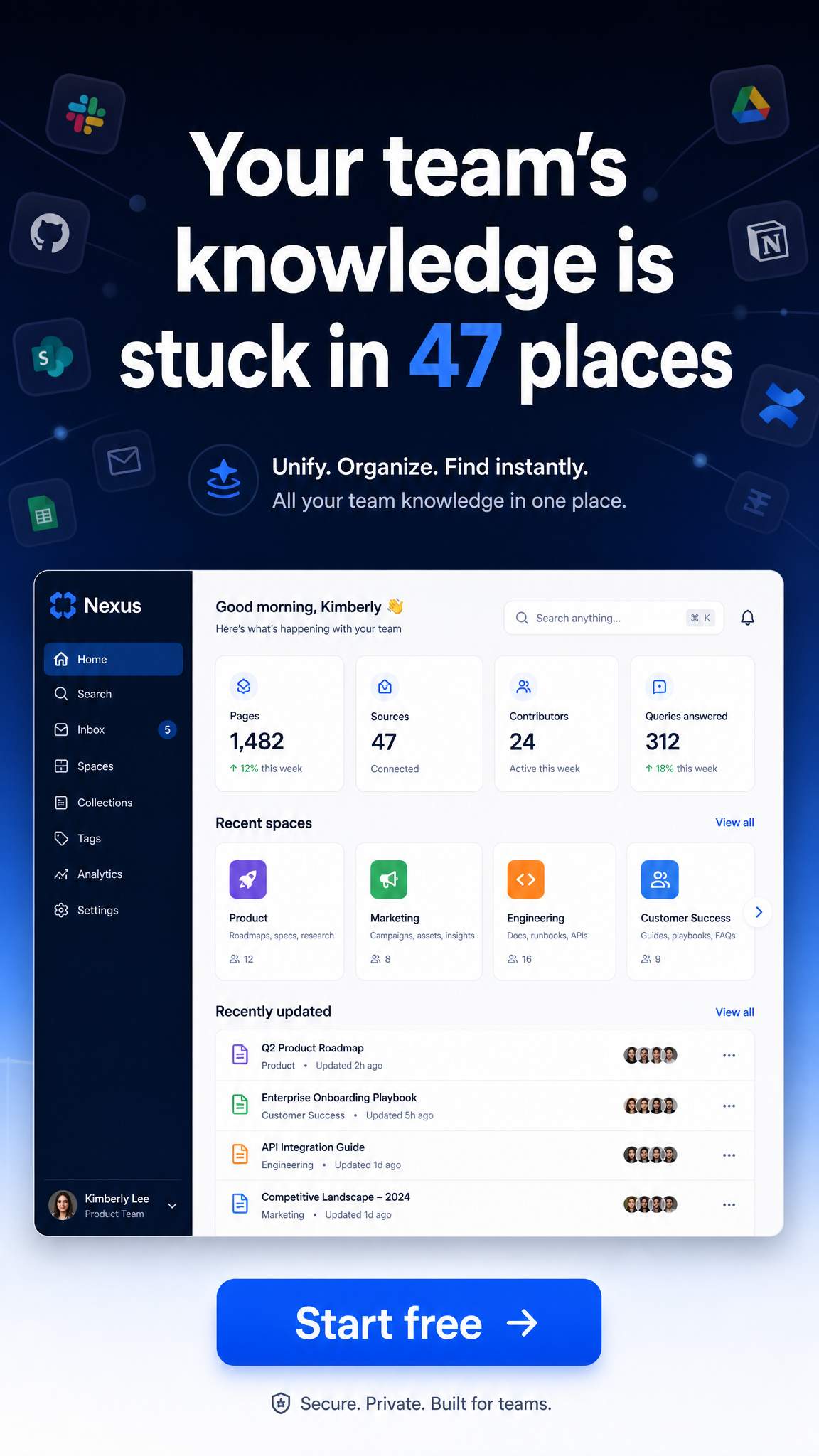
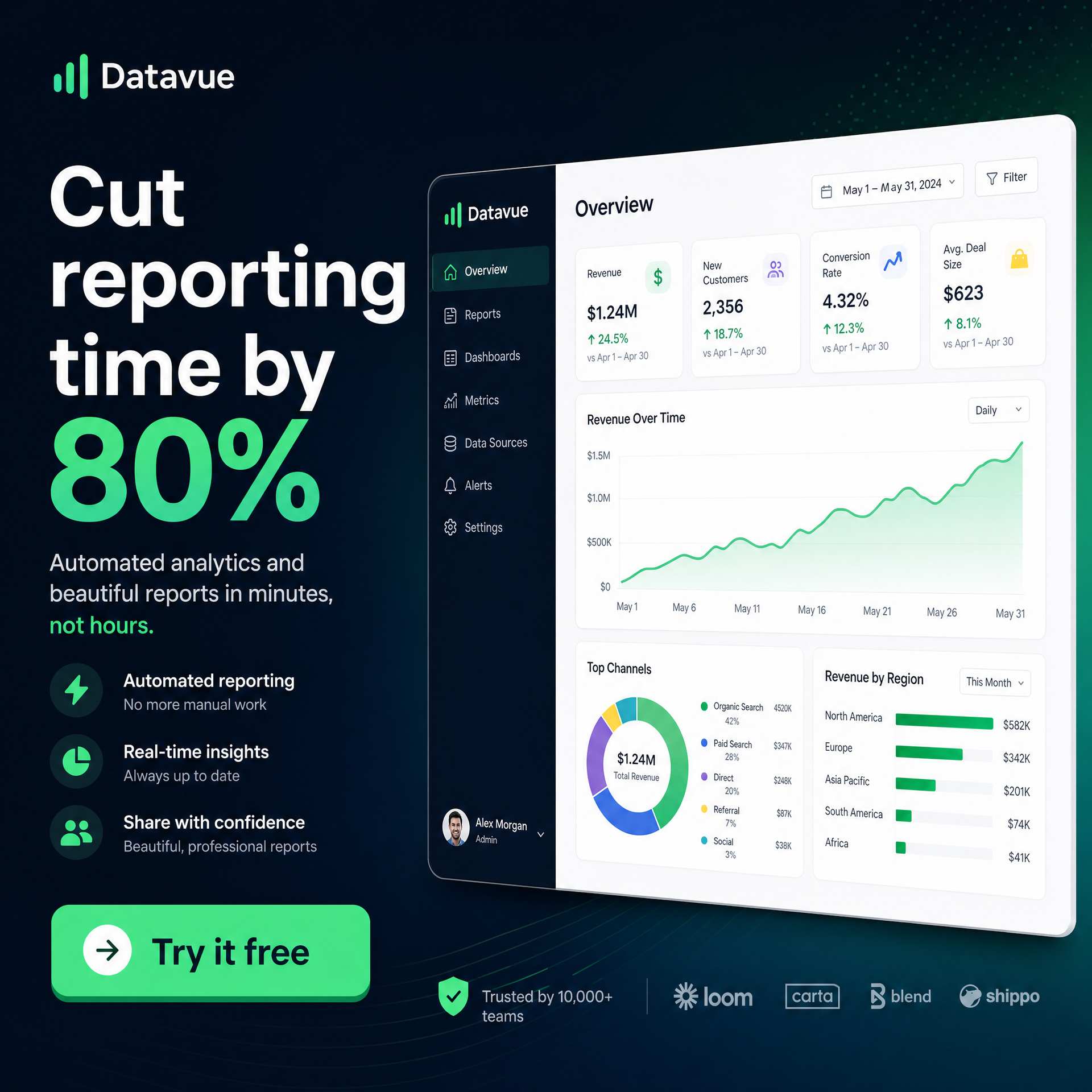
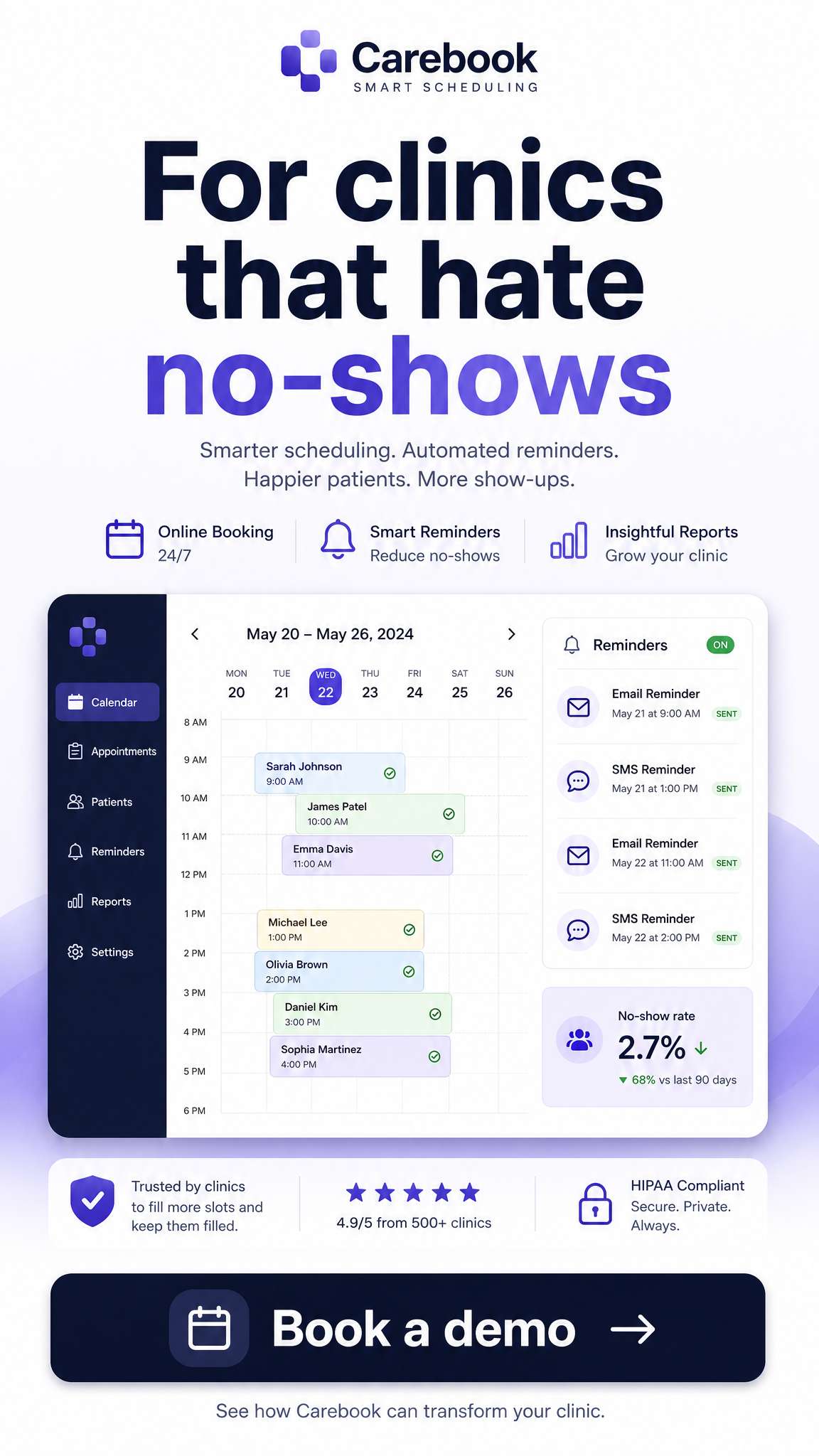
Each one leads with a specific hook, shows the product, and ends with a clear ask, the exact anatomy below. Now the teardowns of six real products:
1. Notion — the problem-aware demo.
- First 3 seconds: text overlay "Your team's knowledge is stuck in 47 different places" over a chaotic Slack thread.
- Proof: a screen recording of that chaos resolving into one clean Notion workspace, no voiceover.
- CTA: free plan signup.
- Why it works: it names the pain before the solution, so the demo lands on an itch the viewer already feels.
2. Linear — let the craft be the ad.
- First 3 seconds: a clean dark-mode board, a single text overlay ("Built for speed"), no voice.
- Proof: a 5-second screen recording of an issue dragged from backlog to done in one motion.
- CTA: "Start building."
- Why it works: for developers, design quality signals product quality more credibly than any claim.
3. Figma — use-case specificity.
- Hook: "For design teams who hand off to developers without the back-and-forth."
- Proof: an annotated static showing the exact handoff moment.
- CTA: a feature page, not the homepage.
- Why it works: it names the exact persona and friction, so the right person self-selects instantly.
4. Loom — the product is the ad.
- Hook: "Wrote a 6-paragraph email. Replaced it with a 90-second Loom."
- Proof: a 30-second Loom recording with a face-cam bubble, made in the product itself.
- CTA: "Send your first Loom free."
- Why it works: the ad demonstrates the value by being the value.
5. Stripe — trust through scale.
- Hook: "Processing payments for millions of companies worldwide."
- Proof: a cluster of recognizable customer logos.
- CTA: developer documentation link.
- Why it works: at the enterprise level, risk reduction beats feature lists, and scale is the ultimate risk reducer.
6. ClickUp — kill the objection.
- Hook: "One app to replace them all. Free forever."
- Proof: high-volume static variations, heavily A/B tested.
- CTA: free-forever plan.
- Why it works: "free forever" removes the trial-expiry objection entirely, and volume testing surfaces the winners.
How to Create a Software Ad: 4-Part Framework
Every high-converting software ad is built from four parts. Nail each one in order.
1. The hook (first 1-2 seconds or the headline). Open with one specific pain or outcome aimed at one persona. If it tries to speak to everyone, it speaks to no one. Write ten hooks, keep the most specific one.
2. The visual (the proof). Show the product doing the thing. A short screen recording of the core workflow beats a stock photo every time. For a developer or design audience, raw craft can carry the whole ad. Keep it legible at thumbnail size and on mute.
3. The proof point (the risk reducer). Add one credibility signal: a customer count, a recognizable logo, a concrete result ("cut onboarding time 40%"). One strong proof point beats three weak ones.
4. The CTA (the low-commitment ask). Match the ask to the temperature. Cold audiences get a free trial, a free tool, or a lead magnet, not "book a demo." Send clicks to a specific feature or landing page that matches the ad, never a generic homepage.
A short, well-made video carries all four parts better than a static, which is why demo and launch videos are the highest-leverage ad creative for SaaS. See our product launch video playbook and our guide to the best product demo software for producing the creative itself.
The Anatomy of a Software Ad (Visual)
Here's the four-part framework mapped onto a single frame, so you can see where each piece lives in a real ad:
"Your team's knowledge is stuck in 47 places" ↑ THE HOOK — one specific pain, one persona, in the first 1-2 seconds
[ 10-second screen recording: chaos → clean workspace ]↑ THE VISUAL — the product doing the thing, legible on mute
Trusted by 180,000+ teams ↑ THE PROOF POINT — one credibility signal (count, logo, or result)
Start free → ↑ THE CTA — low-commitment, matched to a specific landing page
Every strong software ad has these four layers. If you can't point to each one in your ad, it's missing a part, and the missing part is usually why it's not converting.
DTC playbook vs software playbook, side by side:
| Element | DTC Playbook (fades in 2026) | Software Playbook (wins in 2026) |
|---|---|---|
| Hook | Aspirational lifestyle | Specific pain or outcome |
| Lead format | UGC creator to camera | Product demo / screen capture |
| Proof | Vibes & aesthetics | Customer count, logos, results |
| CTA | Buy now | Free trial / lead magnet |
Creative Production: What Separates a $500 Ad from a $5K Ad
This is the part most ad guides skip, because most are written by marketers, not the people who actually produce the creative. The strategy can be perfect and the ad can still look cheap. Here's what separates production that converts from production that gets scrolled past.
Shoot for the right aspect ratio per placement. Don't crop one asset for everything, native sizing wins.
| Ratio | Best Placement | Use For |
|---|---|---|
| 9:16 | Reels, Stories, TikTok | Top-of-funnel reach, full-screen demos |
| 4:5 | Feed (Instagram/Facebook) | The workhorse — most feed real estate |
| 1:1 | Feed, fallback | Safe cross-placement default |
Design for sound-off. Most feed views are muted. Burn in captions, and make the hook readable as text in the first frame, never rely on a voiceover to carry the message.
Maximize contrast and frame space. Cheap ads cram a tiny UI screenshot into a busy frame. Premium ads zoom into the one part of the interface that matters, use high text-to-background contrast, and leave breathing room. If your screen recording is unreadable at thumbnail size, it's unreadable.
Pace it tight. Your ad is a 15-second demo, not a brand film. The hook in the first 1-2 seconds, the value moment by second 5, the CTA before second 15. Dead air at the start is where you lose the 30% who bounce immediately. Fast cuts retain more viewers than slow, lingering shots. Here's the timeline to cut to:
0:00-0:02
Hook
(stop the scroll)
(stop the scroll)
0:02-0:08
Demo
(reach the value moment)
(reach the value moment)
0:08-0:12
Proof
(reduce the risk)
(reduce the risk)
0:12-0:15
CTA
(make the ask)
(make the ask)
Polish the small things that read as "premium": consistent brand font and color, a clean cursor in screen recordings (hide the messy desktop), smooth transitions, and a real end card. These are cheap to do and they're the difference between an ad that looks like a startup and one that looks like a leader.
Swipe File: Hook Formulas + 15-Second Script
Steal these. Copy-paste and fill in the brackets.
Hook formulas that work for software in 2026:
- Problem-aware: "Your [team/workflow] is stuck in [specific mess]."
- Before/after: "Replaced [old painful way] with [product] in [timeframe]."
- Use-case specific: "For [exact persona] who [exact friction]."
- Cost/time stat: "Cut [metric] by [number] without [common tradeoff]."
- Objection flip: "[Common objection]? Here's the 30-second version."
- Status quo callout: "Still doing [manual task] by hand?"
15-second software ad script template:
0:00-0:02 (Hook): [Specific pain, on-screen as text] — "[Hook formula above]"
0:02-0:08 (Demo): Screen recording of the core workflow reaching the value moment. Captions on.
0:08-0:12 (Proof): One credibility line on screen — "[Customer count / logo / result]"
0:12-0:15 (CTA): End card — "[Low-commitment CTA] → [specific landing page]"
The Meta Ad Campaign Structure for SaaS
Great creative dies in a bad account structure. For SaaS on Meta in 2026, run a three-tier structure aligned to funnel stage:
PROSPECTING — cold, broad · 60% of budget
goal: reach + free-tier signups
▼
RETARGETING — warm visitors · 25%
goal: re-engage with demo proof
▼
CONVERSION — hot, high-intent · 15%
goal: trials + paid conversions
| Tier | Audience | Budget Split | Goal |
|---|---|---|---|
| Prospecting (TOFU) | Cold, broad targeting | 60% | Reach + free-tier signups |
| Retargeting (MOFU) | Site visitors, video viewers | 25% | Re-engage, demo proof |
| Conversion (BOFU) | Hot, high-intent | 15% | Trials, paid conversions |
Two 2026 specifics that matter: at the top of funnel, use broad targeting and let Meta's AI find your audience rather than boxing it in with narrow interests, the algorithm is better at this than manual layering now. And map your conversion goal to a specific pixel event (free-trial start, signup) so Meta optimizes toward the action that actually matters.
A sane starting structure looks like this: Prospecting = one broad ad set (no interest stacking), creative does the targeting, exclude existing customers and trial users. Retargeting = site visitors + 25%/50%/75% video viewers from the last 30 days, served the demo-proof creative. Conversion = pricing-page visitors and trial-starters who haven't converted, served a risk-reducer (case study, guarantee, or extended trial). Name ad sets by tier and creative so you can read the account at a glance, e.g. TOFU_broad_demo-v3.
Advantage+ vs manual in 2026: Meta has pushed hard toward Advantage+ (AI-run) campaigns. For SaaS, the practical rule is: use Advantage+ / broad AI targeting for prospecting where the algorithm genuinely outperforms manual interest-stacking, but keep manual control on retargeting and conversion ad sets where your custom audiences (visitors, trial-starters) are the whole point. Feed the AI great creative and clean signal, and it does the targeting work that used to be manual.
Mind the tracking gap. Since iOS 14+, pixel data is incomplete, so don't trust in-platform numbers alone. Set up the Conversions API (server-side) to recover signal, and sanity-check against your own analytics and trial signups. A campaign that looks mediocre in Ads Manager may be your best performer once server-side and self-reported attribution are included.
Budget & the Learning Phase
The single most common reason SaaS Meta campaigns fail is underfunding the learning phase. Meta needs roughly 50 optimization events per ad set per week to exit learning and stabilize. If your conversion rate is 2% and your cost per click is $1, that's about $2,500 per week per ad set to hit 50 conversions.
Practical guidance: plan a $1,500-$3,000/month minimum to give the algorithm enough signal. If your budget can't sustain 50 events/week on a purchase event, optimize for a cheaper upstream event (free-trial start or lead) until volume grows. Spreading a small budget across many ad sets starves all of them, consolidate.
DIY vs Hiring a Software Ads Agency
Should you run software ads in-house or hire a paid ads creative agency? It comes down to creative volume and account expertise.
Do it yourself if: you're early, budget is under ~$3K/month, and you (or someone on the team) can produce demo creative and manage Meta. At small budgets, agency fees eat the spend that should be buying data.
Hire a software ads agency if: you're spending $10K+/month, need a steady stream of fresh creative (the real bottleneck in 2026 is creative volume, not targeting), or lack in-house paid-media expertise. The best SaaS ads agencies pair creative strategy with performance media as one accountable team rather than splitting them.
The hybrid most teams land on: own the strategy and the product knowledge in-house, and outsource the thing that's genuinely hard to scale, high-quality ad creative. A specialist who can turn your product into a steady stream of demo videos and statics is usually the highest-ROI partner, because creative is what wears out and needs constant refresh.
Common Mistakes
Running the DTC playbook. UGC testimonials and lifestyle imagery underperform for B2B software. Lead with demo proof instead.
Explaining the whole product. One ad, one outcome, one persona. Save the rest for the landing page.
Sending traffic to the homepage. Match the ad to a specific landing page or feature. A mismatch between ad and destination kills conversion.
Asking for too much too soon. Cold audiences won't "book a demo." Offer a free trial, free tool, or lead magnet first.
Starving the learning phase. Too little budget across too many ad sets means none of them ever stabilize. Consolidate and fund properly.
Letting creative go stale. The fastest-decaying part of any SaaS ad account is the creative. Refresh it constantly, this is why creative volume, not targeting, is the 2026 bottleneck.
Frequently Asked Questions
What makes a good software ad?
A good software ad in 2026 leads with one specific outcome for one persona, shows the product working (demo-driven proof rather than lifestyle imagery), includes a credibility signal like a customer count or logo, and ends with a low-commitment CTA such as a free trial. UGC-style testimonials, which work in DTC, underperform for B2B software.
How do I create a software ad?
Build it from four parts: a specific hook (one pain or outcome), a proof visual (the product in action, ideally a short demo video), one credibility signal, and a low-commitment CTA matched to audience temperature. Send the click to a specific landing page that matches the ad, not your homepage.
How do I run a Meta ad campaign for SaaS?
Use a three-tier structure: prospecting to cold broad audiences (60% of budget), retargeting to warm visitors (25%), and conversion to hot high-intent users (15%). Use broad targeting at the top of funnel, map your goal to a specific pixel event, and budget enough to hit ~50 optimization events per ad set per week to exit Meta's learning phase.
How much should I budget for SaaS Meta ads?
Plan a $1,500-$3,000/month minimum so Meta's algorithm gets enough signal. The key constraint is the learning phase: about 50 optimization events per ad set per week. If you can't hit that on a purchase event, optimize for a cheaper upstream event like a free-trial start until volume grows.
Should I hire a software ads agency or do it in-house?
Run it in-house if you're early and spending under ~$3K/month. Hire a software ads agency once you're spending $10K+/month, need a steady flow of fresh creative, or lack paid-media expertise. Many teams land on a hybrid: keep strategy in-house and outsource creative production, since creative volume is the real bottleneck.
Why do UGC ads underperform for SaaS?
The user-generated, creator-to-camera testimonial style that works in direct-to-consumer doesn't translate to B2B software buyers in 2026. Decision-makers trust a clear product demo and named customers more than a creator's endorsement, so demo-driven and use-case-specific creative outperforms UGC for SaaS.
Need the creative itself? Software ads live or die on the video. See our launch video playbook, how to create a demo video, and our guide to what a launch video costs in 2026.



Launch videos for
moon-shot founders.
About
We're a video production studio partnering with AI founders and startups. We make launch videos to show the world what you're building.
London, UK
Made with love from London. Collaborating with clients worldwide.
Contact
Adam Petty
Founder
adam@flowjam.com
Founder
adam@flowjam.com